
What is being bought
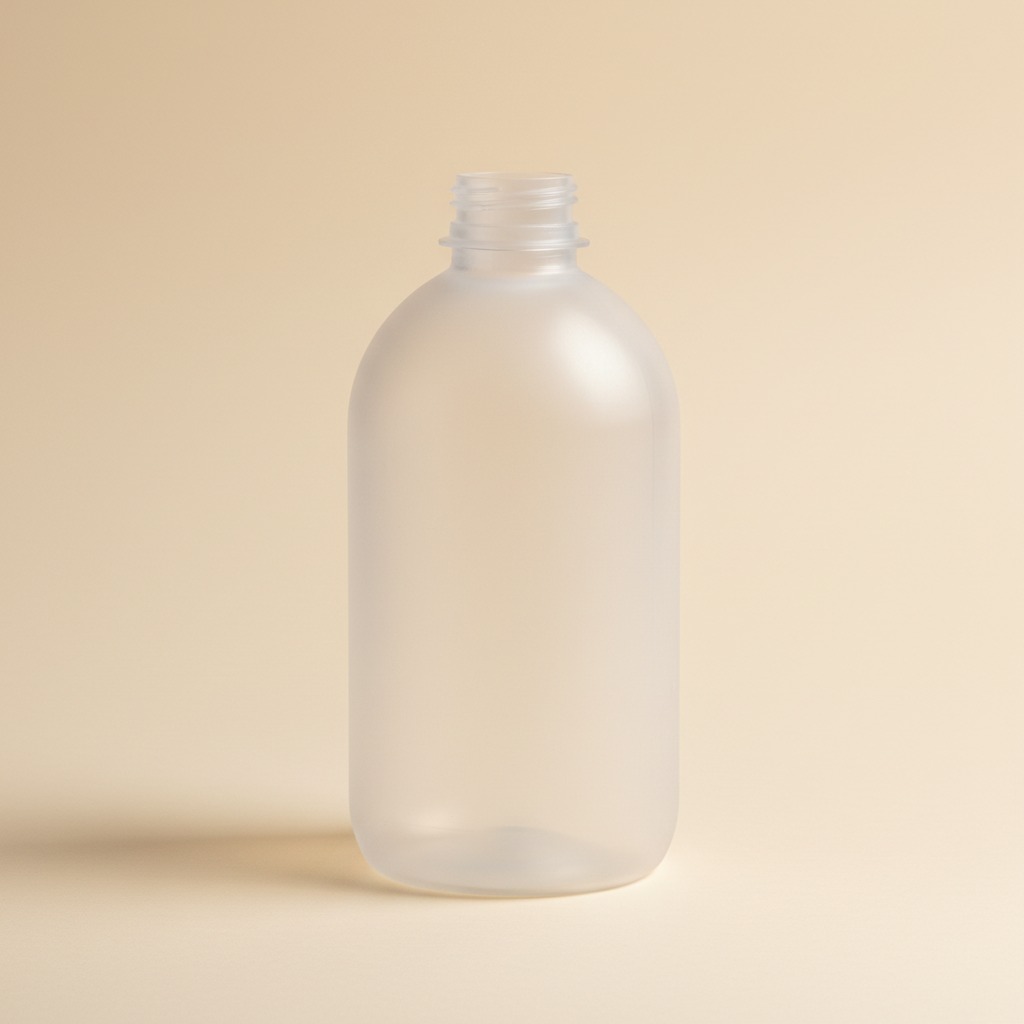
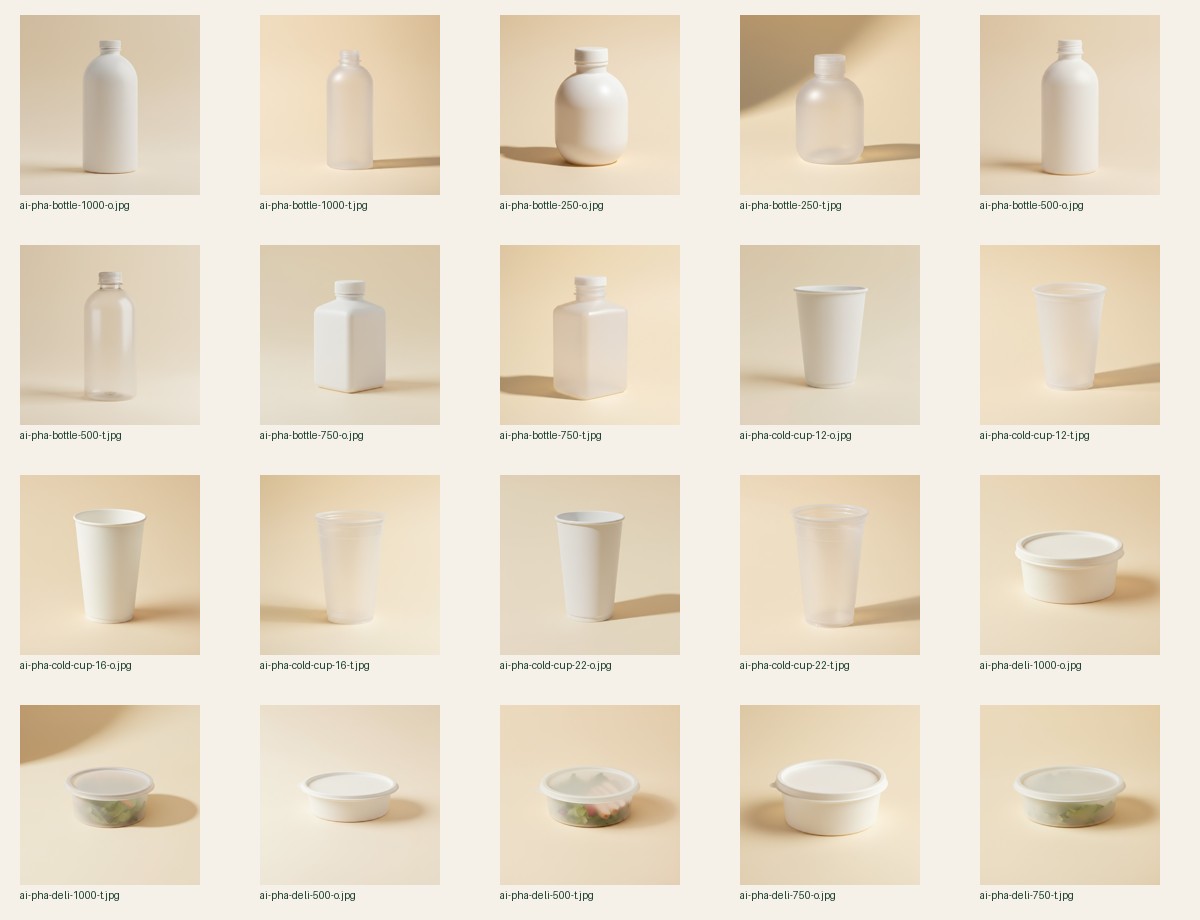
Circulera prepares a 3,000 t/y offtake conversation for transparent PHA packaging and PHA/PBAT finished products: cups, bottles, films, bags, labels, coatings and selected food-service formats.
Buyer reason
The buyer is not only purchasing a greener SKU. The buyer is reducing exposure to single-use plastic regulation, plastic taxes, landfill optics, PLA composting gaps and supplier concentration.
Product scope
- Transparent packaging: cold cups, lids, bottles and deli formats where product visibility matters.
- Flexible formats: bags, liners, films and labels where PHA/PBAT performance can be tuned.
- Coated fibre: paper and fibre formats with PHA coating where water or grease resistance is required.
- Industrial supply: PHA resin and compounds for converters that already own downstream tooling.
Commercial route
The offtake discussion starts from SKU, annual volume, target geography, food-contact requirements, packaging weight, fallback route and public claim. Tooling and formulation follow the committed buyer need, not the other way around.
Why 3,000 tonnes
This is large enough to anchor real production planning and small enough to validate categories before a full regional conversion platform. It supports resin, compounding, conversion planning, QA and warehouse logic.
Claim discipline
Circulera will not ask a buyer to publish a claim that the product has not earned. Product claims depend on formulation, thickness, geometry, route and test data. The useful public message is practical: reduce permanent plastic and avoid making PLA infrastructure the hidden condition.
Procurement fit
- HoReCa: cups, lids, cutlery, containers, bags and food-service pilots.
- Retail: private-label packaging, bags, labels, bottles and shelf-visible replacement.
- Aviation: catering formats with strong waste visibility and controlled purchasing.
- Industrial buyers: compounds, resin, films and conversion partnerships.
What Circulera needs
The next useful step is a buyer brief: SKU list, annual volume, target price corridor, certification needs, packaging drawings, sample requirement, destination markets and expected launch window.
Reference video
Offtake structure
| Item | Buyer input | Circulera output |
|---|---|---|
| SKU | product type, drawing, weight, use case | material route and feasibility |
| Volume | annual and monthly demand | MOQ, batch plan and price corridor |
| Market | destination country and customer channel | claim and compliance boundary |
| Route | waste collection and operator reality | end-of-life wording and testing plan |
| Brand | print, colour, language, QR, pack copy | customisation and tooling path |
Buyer risk checklist
- Supply risk: avoid relying on a single imported green packaging story.
- Regulatory risk: understand plastic tax, SUP bans, EPR and procurement scoring.
- Claim risk: do not print a biodegradation claim before the SKU earns it.
- Price risk: compare total system cost, not only resin price.
- Operational risk: make sure the local waste route can accept the product story.
- Reputation risk: do not use PLA language where no PLA infrastructure exists.
What a first contract can cover
- Pilot lot: samples and route validation.
- Launch lot: first commercial SKU group for one buyer or territory.
- Recurring supply: agreed replenishment and warehouse logic.
- Offtake option: buyer secures future capacity before full plant scale.
- Joint claim: buyer and Circulera agree exact public wording.
Decision package
The practical decision package is simple: SKU list, route evidence, price corridor, launch calendar, claim boundary and capacity reservation. When those six items are real, the manufacturing plan becomes financeable.